

Rodent Exposure Test Kit
Rodent Exposure Test Kit
Pick what you want to test for:
Couldn't load pickup availability

Call a Rodent Testing Specialist
Same lab the pros use for contractor-grade test results. Get results in 2-days.
888-571-2319 ~9min
Description
Description
Our Rodent Exposure test provides a convenient way to check your indoor environment for two major rodent allergens. Mus m 1= a major mouse allergen and Rat n 1= a major rat allergen. Whether you have experienced a previous rodent infestation, Suspect hidden rodent activity, or want to evaluate potential allergen exposure, our test provides valuable information to help you make informed decisions about your indoor environment.
What It Tests For
What It Tests For
Our rodent exposure test detects and measures two major rodent allergens commonly found in household dust:
Mouse Allergen (Mus m 1) = a major allergen produced by mice.
Rat Allergen (Rat n 1) = a major allergen produced by rats.
How It Works
How It Works
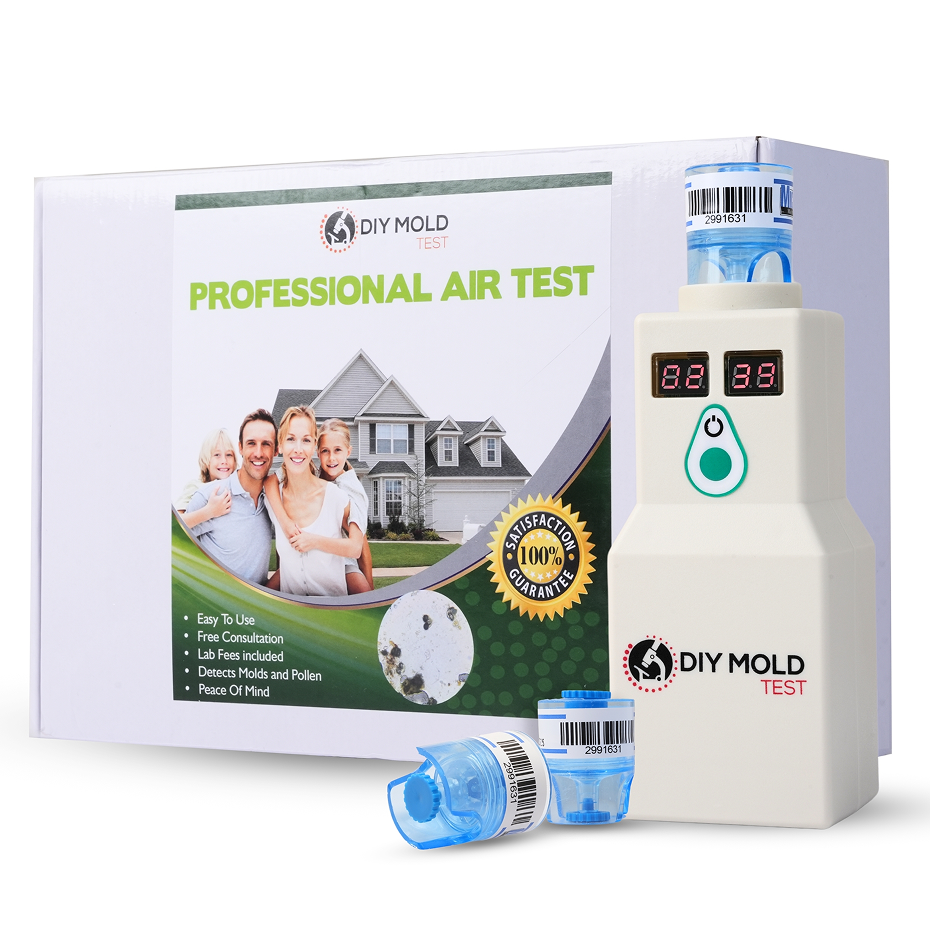
You collect household dust using the dustream collector inside of the kit. The dustream attaches to a regular household vacuum. You will the send your samples off to the lab for analysis. Your samples are analyzed using advanced MARIA® (Multiplex Array for Indoor Allergens) technology to detect and measure mouse and rate allergen concentrations in your household dust. You then will receive an emailed report.
Shipping & Returns
Shipping & Returns
Standard Shipping - $9.99 (FREE SHIPPING on orders over $99). See our shipping policy for details.
15 Day Hassle-Free Returns. See our returns page for more information.
Frequently Asked Questions
Speak with a Mold Expert
What does a rodent allergen test detect?
Rodent allergen test measures specific proteins associated with mice or rats in the dust you collect. The mouse test measures Mus m 1, and the rat test measures Rat n 1. These allergens accumulate in household dust and may remain after the rodents are gone. This is a way to test the history of a home.
Why test for rodent allergens if I haven’t seen rats or mice?
Rodents can be difficult to spot, and allergens may remain in household dust from previous activity. Not seeing a rat or mouse does not necessarily mean their allergens are absent.
Does this test detect rodent-borne viruses or bacteria?
No. This test measures mouse and rat allergen proteins only in your dust sample. It does not test for hantavirus, other viruses, or bacteria.
Should I choose a rat test, mouse test, or the bundle?
Some rodents are more common in certain regions. However, both rats and mice can occur in the same region. Choose your test based on known activity or a pest professionals identification. If you are unsure the bundle will test for both.
How to use your Rodent Kit?
Use the included collection supplies from your kit and follow the instructions. Sampling includes vacuuming household dust through a collection filter. Do not collect droppings, urine, or nesting material. Never sweep or vacuum these materials to obtain a sample.
What do my rodent allergen test results mean?
The lab results will show whether mouse (Mus m 1) and/or rat (Rat n 1) allergens were detected in the dust you collected. These allergens are proteins produced by mice and rats. A positive result indicates that rodent allergen was detected in the area sampled. It does not mean they are currently active in the home.
Can I use this test after rodent remediation or cleanup?
Yes. Testing after rodent removal can help determine whether mouse or rat allergens are still datable in the dust. For the most meaningful comparison, collect the post cleanup sample from the same area.